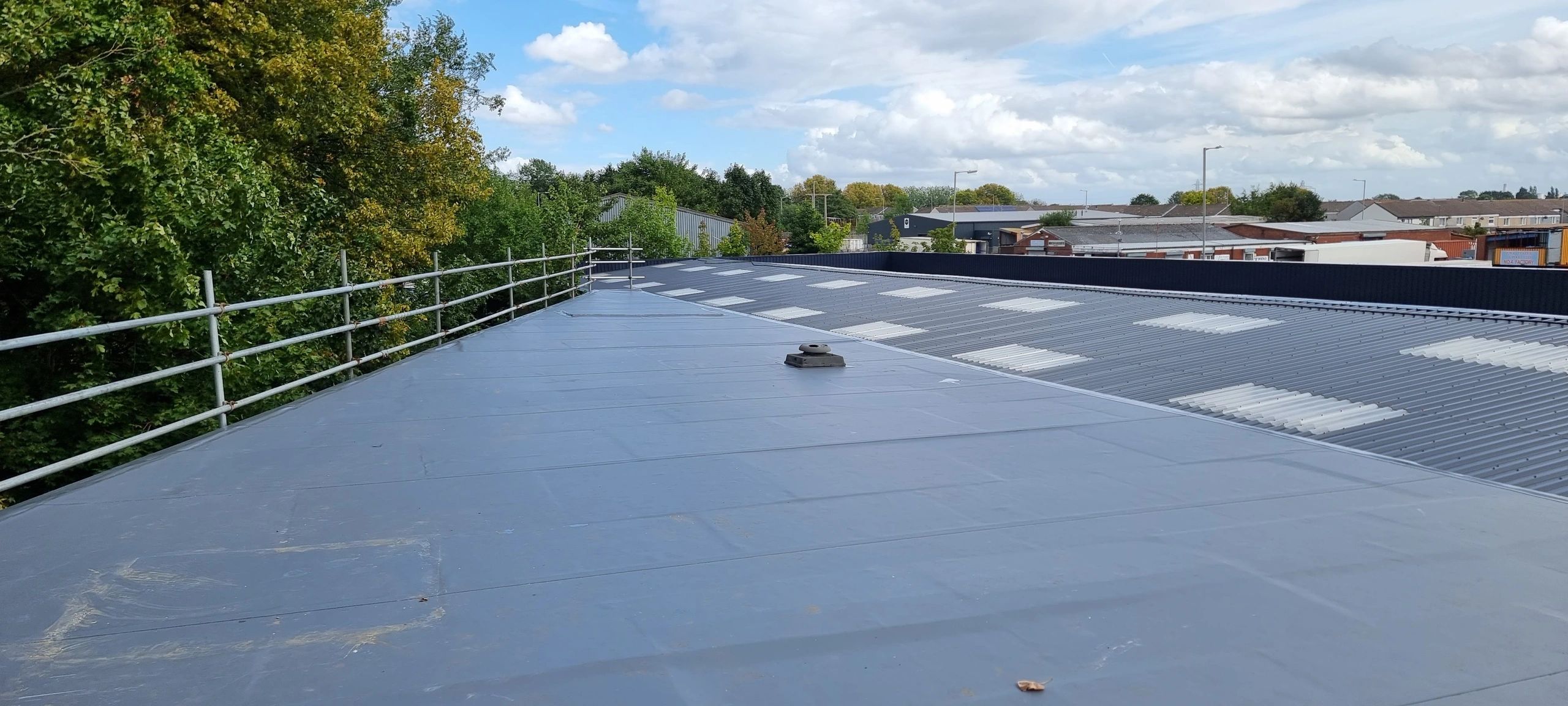
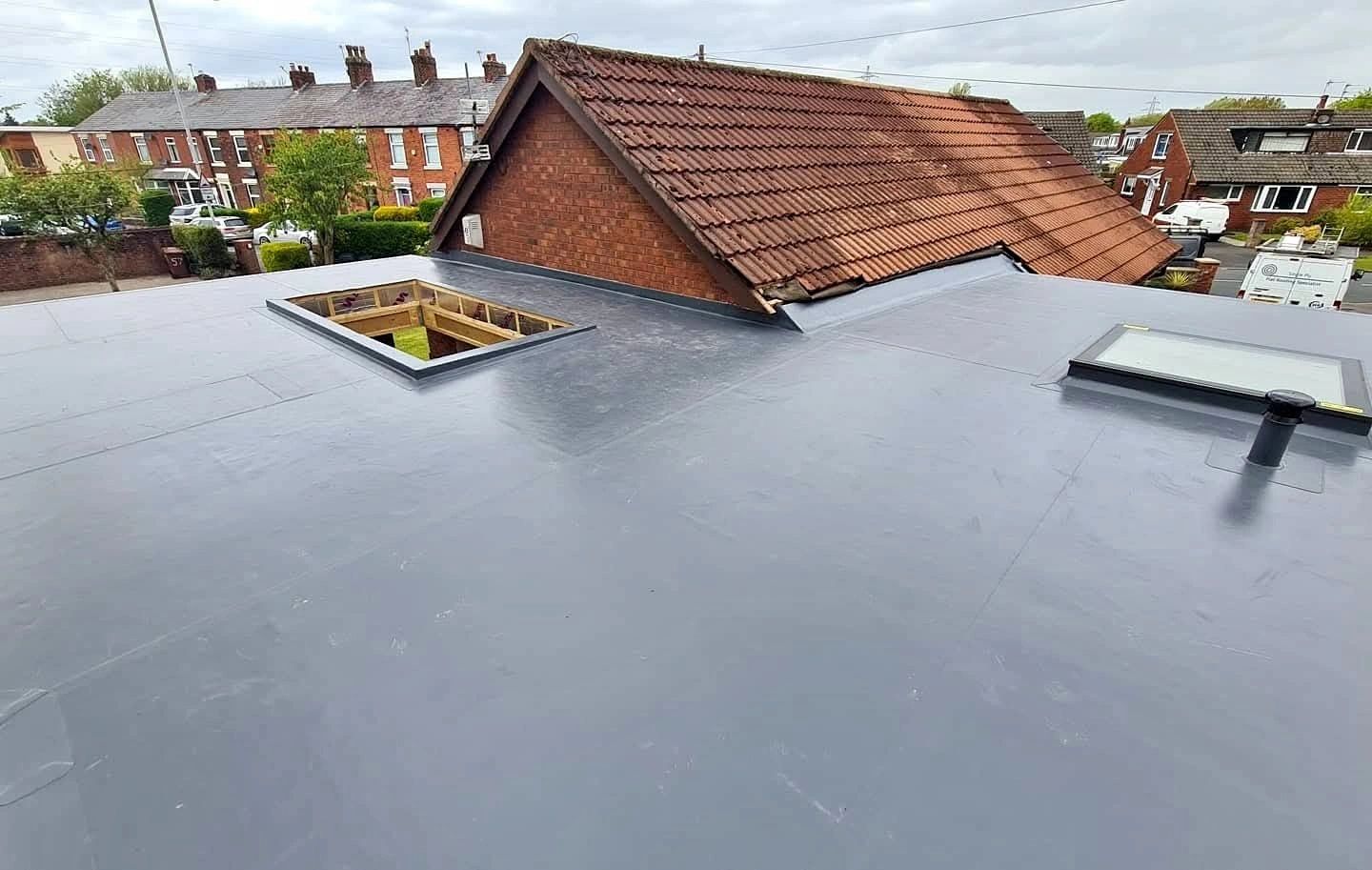
Essential Tips for Flat Roof Longevity and Care
Flat roofs are an increasingly popular choice for both residential and commercial properties due to their minimalistic design and cost-effectiveness. However…
Introduction
Flat roofs are an increasingly popular choice for both residential and commercial properties due to their minimalistic design and cost-effectiveness. However, maintaining a flat roof requires specific care and attention to ensure its durability and optimal performance. This guide provides an in-depth look at essential maintenance practices and repair tips to help property owners keep their flat roofs in top condition.
Why Proper Flat Roof Care is Crucial
Flat roofs are exposed to a variety of environmental stressors, from intense UV rays to heavy rainfall, which can lead to issues such as water pooling, leaks, and structural damage. Regular maintenance not only extends the lifespan of your roof but also helps reduce repair costs and maintain the energy efficiency of your property.
Common Problems Faced by Flat Roofs
What issues are most common with flat roofs?
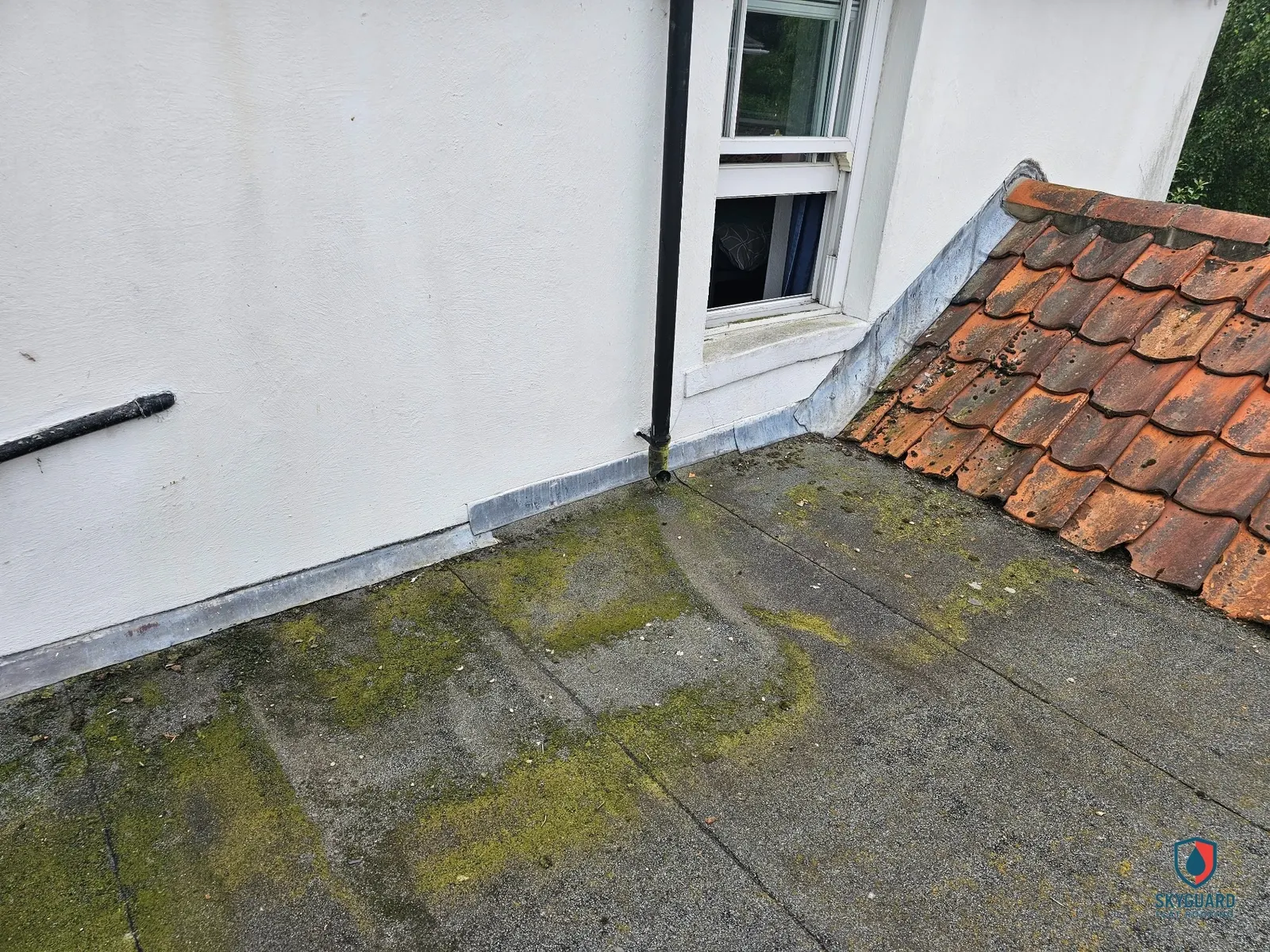
- Water Pooling: Standing water can weaken the roof’s structure over time.
- Cracks and Blisters: These often result from temperature fluctuations or poor installation.
- Membrane Damage: Tears or punctures in the roof membrane can allow water to seep through.
- Drainage Problems: Blocked gutters and downpipes can exacerbate water pooling.
- Mould and Algae Growth: Persistent moisture can lead to these unwanted additions.
Essential Maintenance Practices
How can you ensure your flat roof remains in good condition?
- Schedule Regular Inspections: Inspect your roof at least twice a year or after significant weather events.
- Keep the Roof Clean: Remove debris, leaves, and dirt to prevent water build-up.
- Check for Proper Drainage: Ensure gutters, downpipes, and drains are free of blockages.
- Repair Minor Issues Promptly: Address small cracks or membrane issues before they escalate.
- Apply Roof Coating: A protective coating can shield your roof from UV rays and water damage.
Repair Techniques for Flat Roofs
How do you address common flat roof repairs?
- Patching Small Holes: Use a roof patching kit to seal minor holes or tears.
- Replacing Worn Sections: For areas beyond repair, remove and replace the damaged material.
- Reinforcing Weak Seams: Apply seam tape or adhesive to strengthen vulnerable areas.
- Fixing Drainage Issues: Adjust the slope or clear blockages to improve water flow.
- Sealing Around Fixtures: Ensure vents, chimneys, and skylights are sealed to prevent leaks.
Materials for Flat Roof Repairs
What materials are best suited for flat roof repairs?
- EPDM Rubber: Known for its flexibility and durability.
- TPO Membrane: Offers excellent energy efficiency and UV resistance.
- Modified Bitumen: A reliable option for waterproofing.
- Liquid Coatings: Provide a seamless protective layer over the existing roof.
Location-Specific Considerations
How does South Yorkshire’s climate affect flat roofs?
In regions like South Yorkshire, where weather conditions range from heavy rainfall to occasional heatwaves, flat roofs can experience accelerated wear and tear. Property owners should:
- Schedule inspections before and after the rainy season.
- Use weather-resistant materials to enhance durability.
- Ensure proper insulation to maintain indoor comfort and reduce heating costs.
When to Call a Professional
Should you attempt DIY repairs or hire an expert?
While minor issues can often be handled independently, certain situations warrant professional intervention:
- Persistent leaks or recurring problems
- Structural concerns
- Lack of proper tools or expertise
- Warranty requirements for professional repairs
Hiring a certified roofing contractor ensures repairs are done safely and effectively, protecting your investment in the long run.
FAQs
1. How often should I clean my flat roof?
Cleaning your flat roof twice a year, or after heavy storms, is recommended to prevent debris build-up.
2. Can flat roofs handle heavy snowfall?
Yes, but it’s essential to remove excessive snow to prevent structural stress.
3. What’s the average lifespan of a flat roof?
With proper maintenance, flat roofs can last 20-30 years depending on the material used.
4. How do I detect leaks in my flat roof?
Look for water stains on ceilings, mould growth, or damp spots on the roof surface.
5. Is it safe to walk on a flat roof?
Walking on a flat roof should be minimized to avoid damage. Use walkway pads if access is necessary.
Conclusion
Caring for a flat roof requires a proactive approach to maintenance and timely repairs. By following the tips outlined in this guide, property owners can ensure their roofs remain functional and long-lasting. For more complex tasks, consulting a professional roofing contractor is always a wise choice.
Need a flat roof estimate?
60 seconds, no callback chasing. Just an honest price range.
Get my price