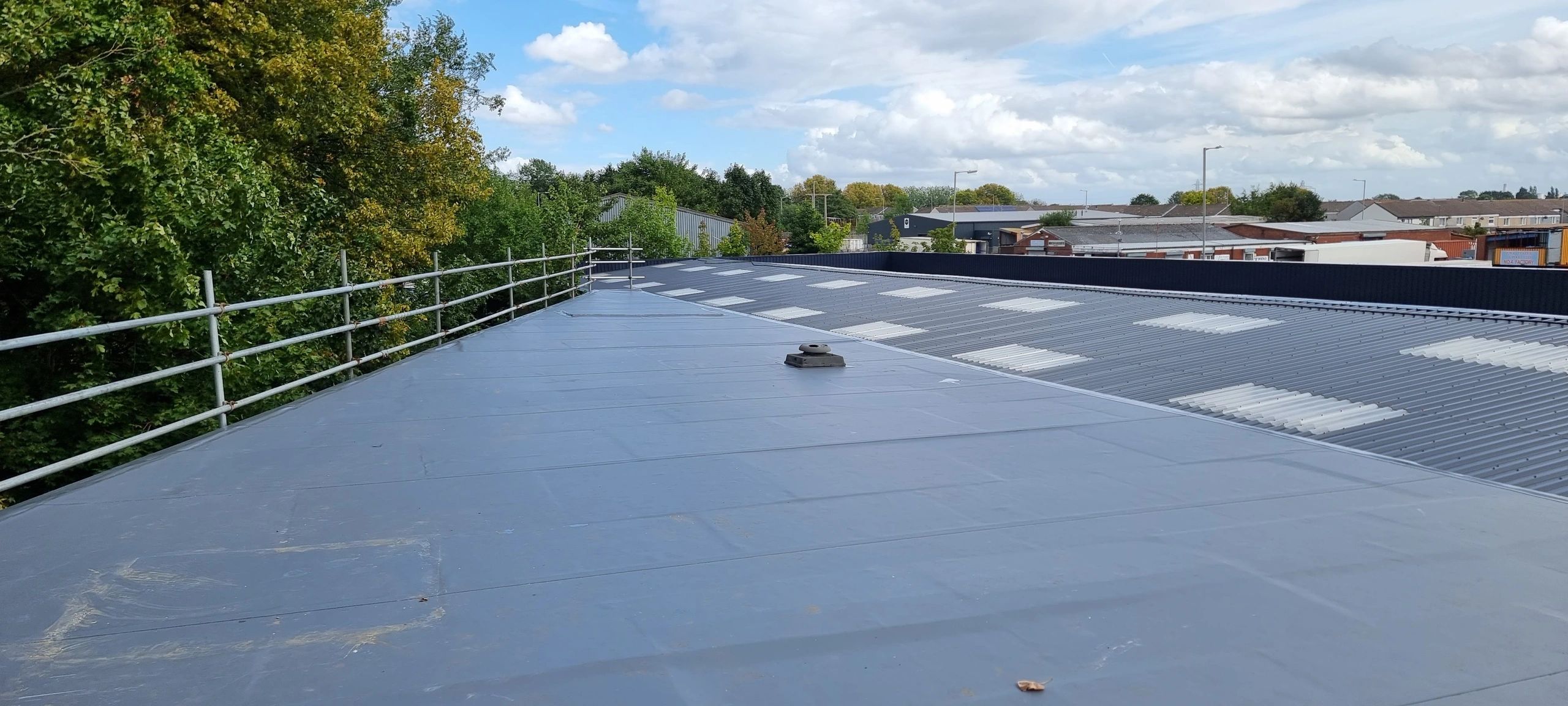
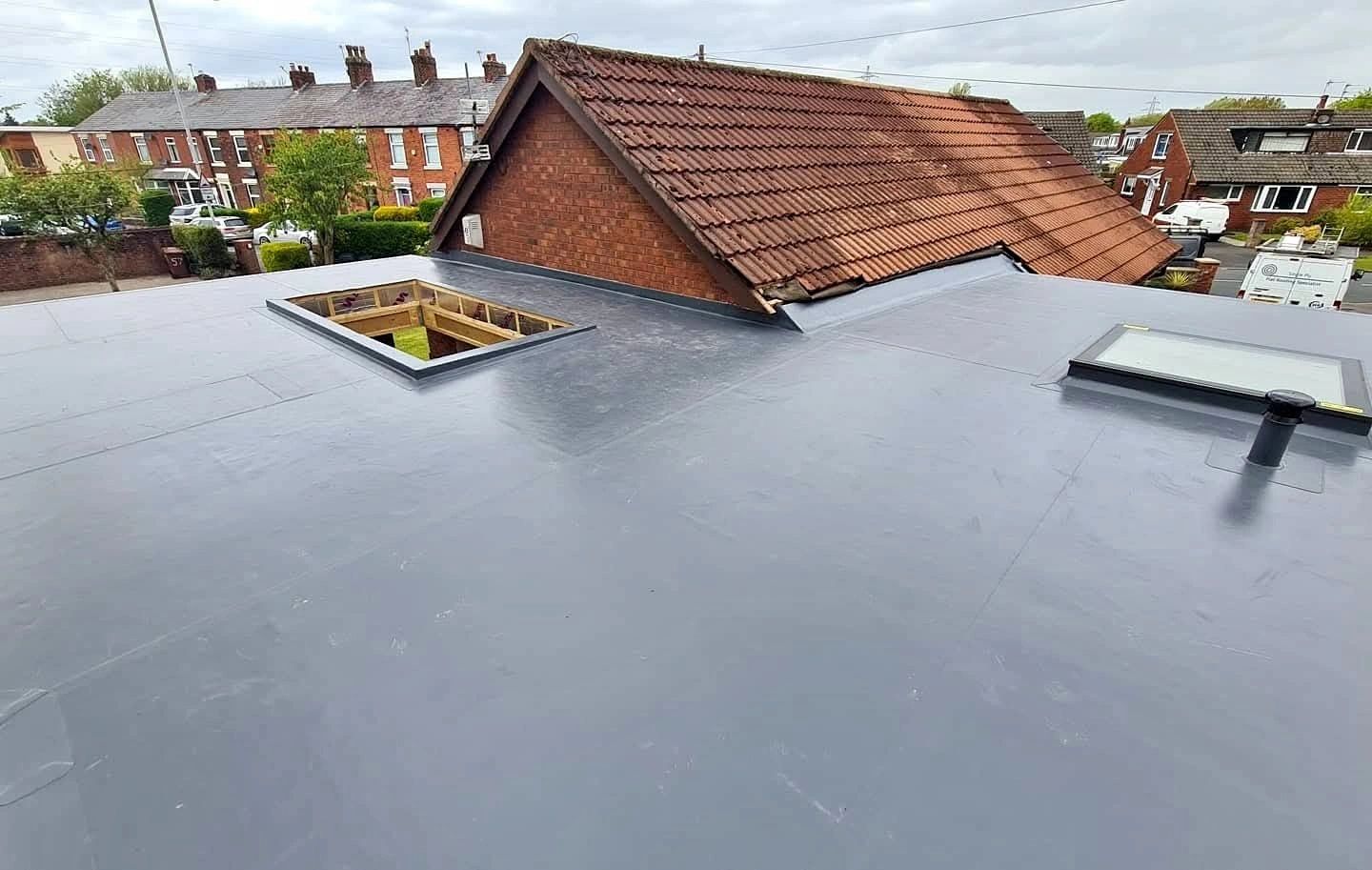
Ultimate Guide to Flat Roof Maintenance and Repairs
Flat roofs are a popular choice for many residential and commercial properties due to their cost-effectiveness, ease of installation, and minimalistic design…
Introduction
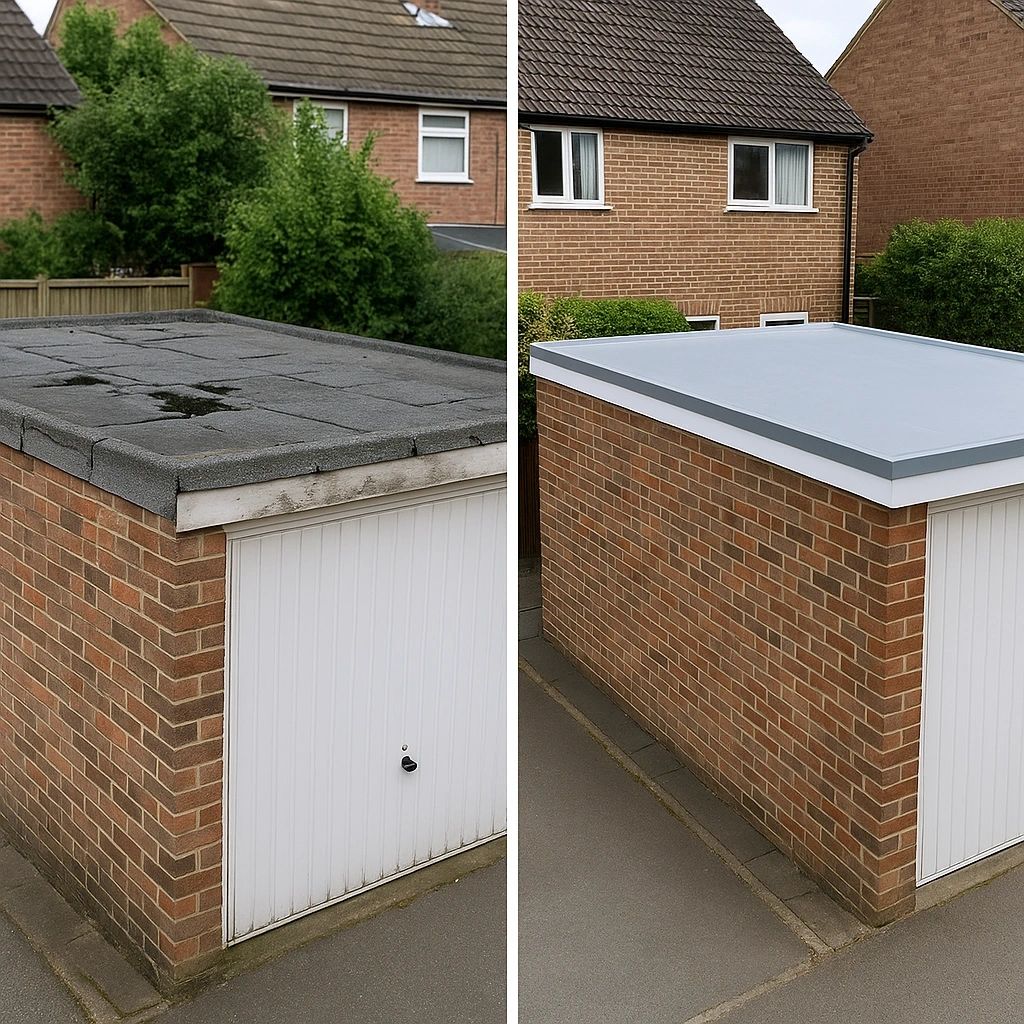
Flat roofs are a popular choice for many residential and commercial properties due to their cost-effectiveness, ease of installation, and minimalistic design. However, like any roofing system, flat roofs require regular maintenance and occasional repairs to ensure their longevity and performance. This comprehensive guide explores the best practices for maintaining and repairing flat roofs, providing actionable insights for property owners and managers.
Why is Flat Roof Maintenance Important?
Flat roofs are exposed to various environmental factors such as rain, snow, UV rays, and temperature fluctuations. Without proper care, these elements can lead to:
- Water pooling and leaks
- Structural damage
- Reduced energy efficiency
- Increased repair costs
Regular maintenance not only extends the life of your roof but also helps you avoid costly repairs and replacements.
Signs Your Flat Roof Needs Attention
How can you tell if your flat roof needs maintenance?
- Water Pooling: Standing water on your flat roof can lead to leaks and structural damage.
- Cracks or Blisters: These can indicate underlying issues such as trapped moisture or aging materials.
- Membrane Damage: Tears or punctures in the roofing membrane can compromise the roof’s waterproofing capabilities.
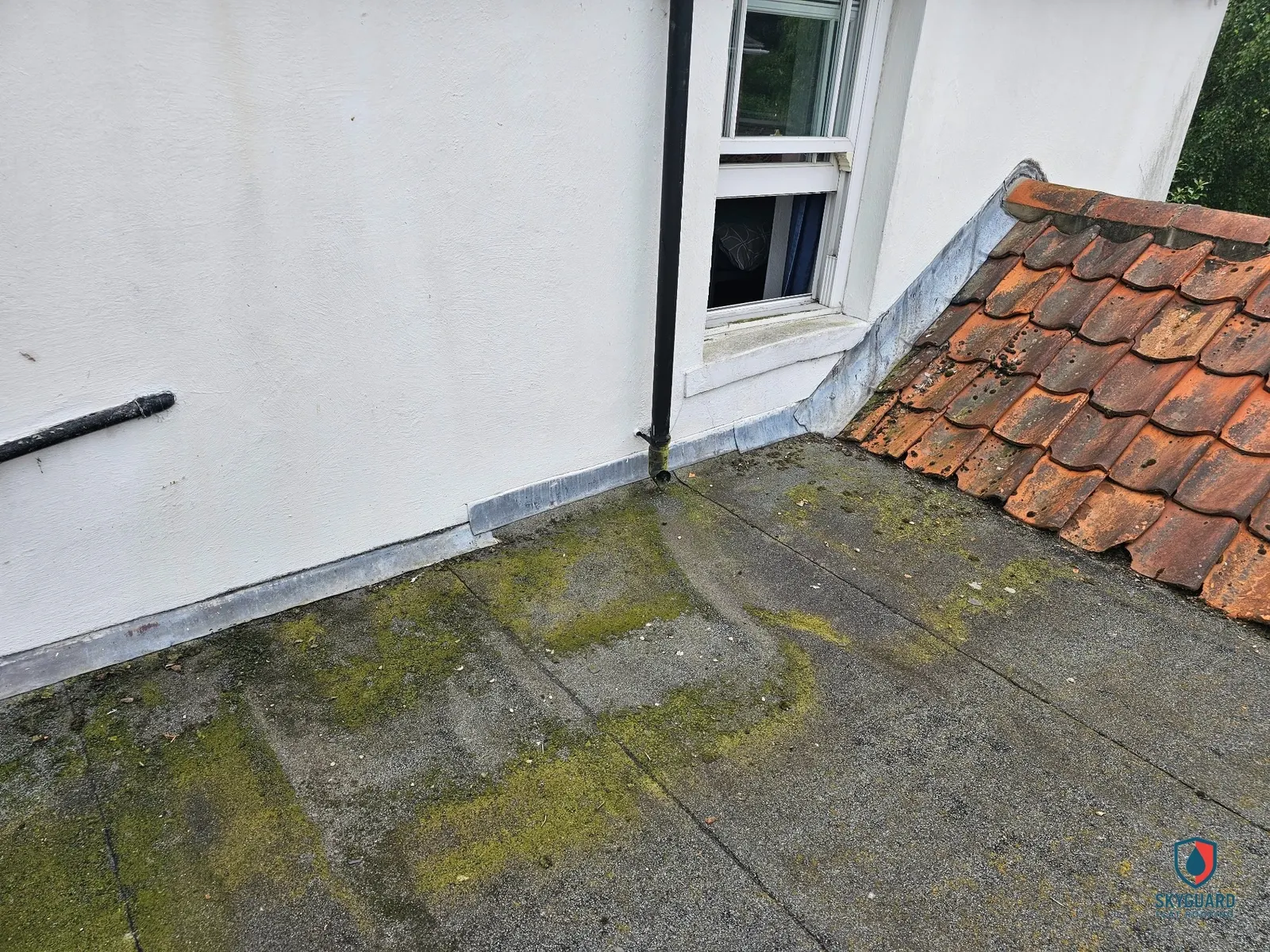
- Mould or Algae Growth: These are signs of moisture problems that need to be addressed immediately.
Essential Maintenance Tips for Flat Roofs
What are the best practices for flat roof maintenance?
- Regular Inspections: Conduct bi-annual inspections or after severe weather events to identify potential issues.
- Clean the Roof Surface: Remove debris, leaves, and dirt to prevent water pooling and blockages in drainage systems.
- Check for Drainage Issues: Ensure that gutters, downpipes, and drains are clear and functioning properly.
- Address Minor Repairs Promptly: Fix small issues like cracks or loose flashing before they escalate into major problems.
- Apply Roof Coating: A reflective coating can protect your roof from UV damage and improve energy efficiency.
Common Flat Roof Repair Techniques
How do you repair common flat roof issues?
- Patching Holes and Cracks: Use roofing patch kits to seal minor holes and cracks in the membrane.
- Replacing Damaged Sections: Cut out and replace sections of the roofing material that are beyond repair.
- Reinforcing Seams: Apply seam tape or adhesive to reinforce weak areas and prevent leaks.
- Installing Flashing: Replace or repair flashing around vents, chimneys, and edges to maintain a waterproof seal.
- Releveling the Roof: Adjust the slope or drainage system to prevent water pooling.
Choosing the Right Materials for Flat Roof Repairs
What materials are commonly used for flat roof repairs?
- EPDM Rubber: Durable and flexible, ideal for sealing cracks and holes.
- TPO Membrane: Known for its energy efficiency and resistance to UV rays.
- Modified Bitumen: Offers excellent waterproofing and is easy to apply.
- Liquid Roof Coatings: Provides a seamless, protective layer over the existing roof.
When to Call a Professional
Should you handle flat roof repairs yourself or hire an expert?
While minor repairs and maintenance tasks can often be handled by property owners, certain situations require professional expertise:
- Extensive damage or leaks
- Structural issues
- Lack of specialised tools or materials
- Warranty requirements that specify professional repairs
Hiring a certified roofing contractor ensures that repairs are done correctly and safely, protecting your investment in the long run.
Local Considerations for Flat Roof Maintenance
How does location affect flat roof care?
In areas like South Yorkshire, where weather conditions can be unpredictable, flat roofs are exposed to frequent rain and temperature changes. Property owners should:
- Schedule inspections before and after the rainy season.
- Use materials that withstand local weather conditions.
- Ensure proper insulation to maintain indoor comfort and energy efficiency.
FAQs
1. How often should a flat roof be inspected?
It is recommended to inspect your flat roof at least twice a year and after major weather events.
2. Can I walk on my flat roof?
Walking on a flat roof should be minimized to prevent damage. Use walkway pads if access is necessary.
3. What is the average lifespan of a flat roof?
Depending on the material, flat roofs can last between 20 to 30 years with proper maintenance.
4. How do I prevent water pooling on my flat roof?
Ensure proper drainage by keeping gutters and downpipes clear and consider releveling the roof if pooling persists.
5. What are the signs of a leaking flat roof?
Look for water stains on ceilings, mould growth, or visible cracks and blisters on the roof surface.
Conclusion
Flat roof maintenance and repair are essential for preserving the integrity and functionality of your property. By following the tips and techniques outlined in this guide, you can address common issues, extend the lifespan of your roof, and avoid costly repairs. For more complex problems, consider consulting a professional roofing contractor to ensure the best results. Flat Roofing Rotherham
Need a flat roof estimate?
60 seconds, no callback chasing. Just an honest price range.
Get my price