Modern Single Ply Flat Roofing
Flat roofing solutions are evolving—and in South Yorkshire, single ply systems are leading the change. With increasing exposure to heavy rainfall, fluctuatin…
Why Single Ply Flat Roofing Is Rising in Popularity Across South Yorkshire
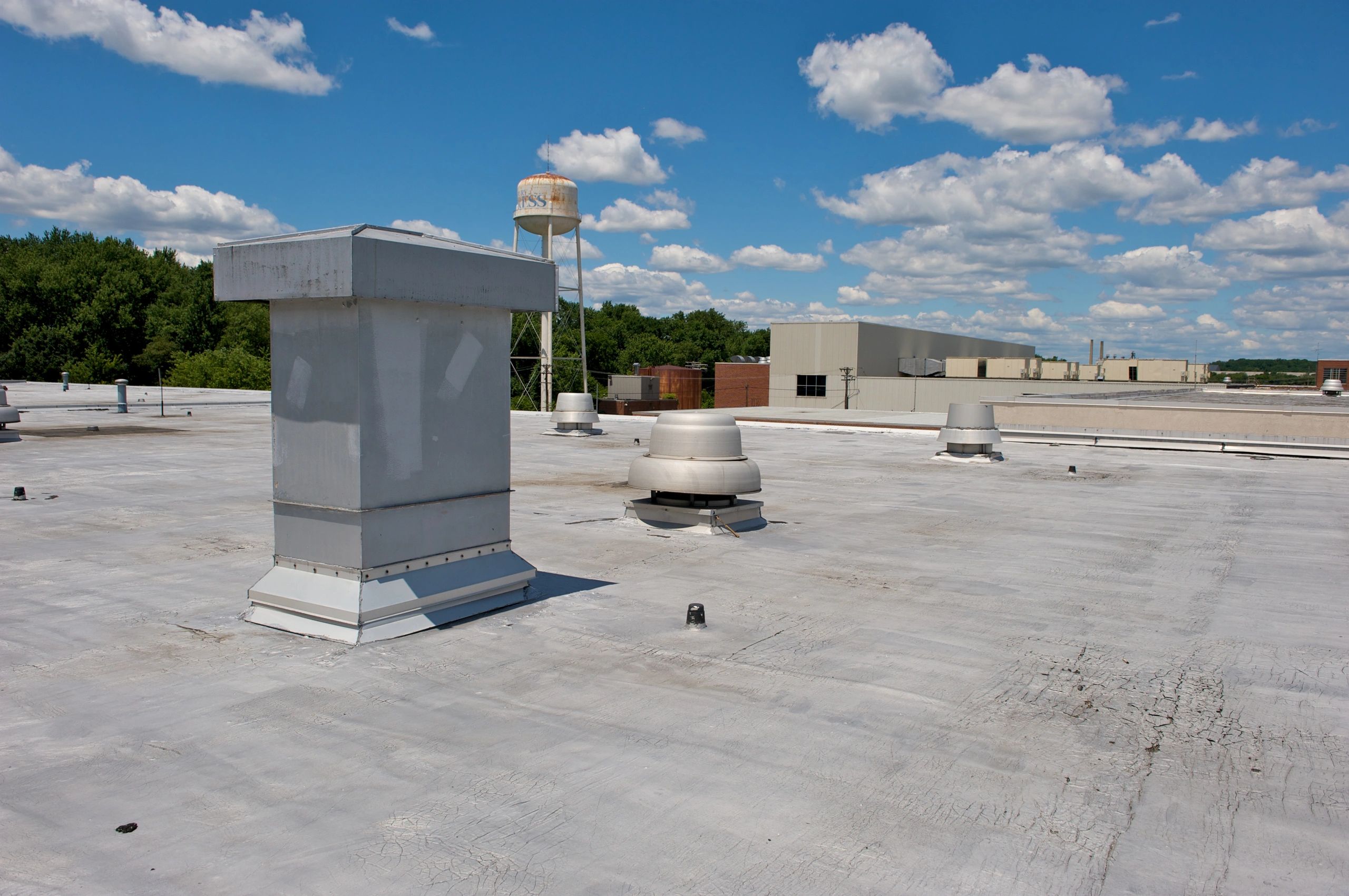
Flat roofing solutions are evolving—and in South Yorkshire, single ply systems are leading the change. With increasing exposure to heavy rainfall, fluctuating temperatures, and high humidity, traditional roofing materials like felt or asphalt often struggle to maintain performance. Single ply membranes, made from advanced polymers such as EPDM, TPO, and PVC, offer a modern alternative designed to withstand these regional challenges while delivering long-term reliability.
These lightweight, seamless roofing systems are gaining favour among property owners and contractors alike for their durability, energy efficiency, and ease of maintenance. Their monolithic construction—achieved through heat-welded or fully adhered seams—eliminates common leak points, making them especially effective on low-slope or flat roofs where water pooling is a concern.
In towns like Rotherham, Doncaster, and Sheffield, where aging infrastructure meets modern building demands, single ply roofing provides a smart upgrade path. Whether for commercial properties, industrial units, or converted residential buildings, this solution supports stronger weather resistance, improved insulation integration, and faster installation with minimal disruption.
In this guide, you’ll learn how single ply flat roofing works, which materials suit South Yorkshire’s climate best, and what to look for in a high-performance installation.
Top 5 Advantages of Single Ply Membranes Like EPDM, TPO, and PVC for Flat Roofs
Single ply flat roofing systems have revolutionised commercial and industrial construction across South Yorkshire, especially in towns like Rotherham where weather resistance and building efficiency are top priorities. The evolution from traditional felt roofs to high-performance membranes like EPDM, TPO, and PVC brings measurable benefits that go beyond durability. If you’re managing a property in a region with frequent rainfall and fluctuating temperatures, here are the top five advantages to consider:
- Superior Weather Resistance for Rotherham’s Climate
These membranes are engineered to withstand prolonged exposure to moisture, UV rays, and thermal movement—key concerns in the UK’s maritime climate. Their flexibility prevents cracking during winter freezes, while heat stability avoids blistering in summer, making them ideal for flat roofs in industrial areas and urban rooftops. - Exceptional Longevity with 25+ Year Lifespans
When installed correctly, single ply roofs last decades, far outpacing traditional systems. This extended service life reduces long-term replacement costs, particularly beneficial for commercial property managers overseeing multiple South Yorkshire sites. - Energy Efficiency Through Solar Reflectance
TPO and PVC membranes feature high solar reflectance, reducing heat absorption and cooling costs in occupied buildings. Paired with proper insulation, they support compliance with modern building regulations and improve indoor comfort. - Low Maintenance and Easy Inspections
Minimal upkeep is needed—twice-yearly checks for debris, standing water, or seam integrity are often sufficient. Clear gutters and simple visual inspections can prevent costly repairs. - Seamless, Watertight Protection via Heat-Welded Joints
Unlike older multi-layer systems prone to leaks, single ply membranes create a monolithic barrier using heat-welded or fully adhered seams, eliminating common failure points around drains and upstands.
How Single Ply Roofs Stand Up to South Yorkshire’s Weather Challenges
South Yorkshire’s unpredictable climate—marked by heavy rainfall, strong winds, and dramatic temperature shifts—demands flat roofing systems that go beyond basic waterproofing. Single ply membranes like EPDM, TPO, and PVC are engineered to excel in these exact conditions, offering a resilient defense against some of the region’s most persistent weather-related issues.
Rain is one of the biggest concerns, especially in areas like Rotherham and Doncaster where prolonged downpours can lead to ponding. Single ply systems combat this with seamless, fully adhered or heat-welded joints that eliminate weak points, preventing water ingress even in low-drainage zones. Their high tensile strength also resists erosion from constant water exposure.
When it comes to wind uplift—common during autumn and winter storms across South Yorkshire—properly installed single ply roofs with mechanical fixation or fully adhered methods stay securely in place. Wind calculations and secure perimeter detailing ensure the membrane won’t flap or tear under pressure.
Temperature fluctuations cause expansion and contraction in roofing materials. Unlike traditional felt, single ply membranes maintain flexibility in freezing conditions and resist softening in summer heat, reducing the risk of cracks or seam failure. This thermal stability is crucial for long-term performance in the region’s maritime climate.
For best results, ensure your system includes proper insulation, correct fall gradients, and professional detailing around penetrations—all key to maximizing weather resistance.
Mastering the Professional Installation of Single Ply Flat Roofs in Rotherham
Achieving a durable, leak-free single ply flat roof requires a precise, expert-driven process—especially in Rotherham’s climate of heavy rainfall and seasonal thermal shifts. Follow this step-by-step breakdown of the professional installation sequence to ensure lasting performance and compliance with regional best practices.
- Conduct a Thorough Roof Deck Inspection
Assess the structural integrity of the decking, checking for rot, sagging, or water damage common in older industrial or commercial buildings. Confirm the substrate slope provides at least a 1:80 fall to encourage proper drainage and prevent ponding. - Prepare the Substrate
Remove all debris, old felt layers, or compromised materials. Ensure the surface is clean, dry, and free of contaminants. Apply a manufacturer-recommended primer if using fully adhered systems on concrete or plywood. - Install High-Performance Insulation
Lay rigid insulation boards tightly butted and staggered to prevent thermal bridging. Choose mechanical fixation, adhesion, or loose-laid methods based on wind exposure—crucial for exposed urban rooftops. - Unroll and Position the Membrane
Allow the single ply membrane (EPDM, TPO, or PVC) to acclimate on-site. Unroll it perpendicular to insulation joints, maintaining even tension to avoid wrinkles that compromise seam integrity. - Secure and Seam with Industry-Grade Tools
Use heat welding for TPO and PVC to create seamless, watertight bonds. Apply compatible adhesives or tapes for EPDM systems. Mechanically fasten or fully adhere the membrane per design specifications. - Detail All Flashings and Penetrations
Install termination bars at perimeters and properly flash upstands, drains, and rooftop units using compatible accessories. This step prevents the majority of common leaks. - Perform Final Quality Assurance
Complete a full visual inspection and conduct electronic leak detection if possible. Verify all seams, edges, and penetrations are sealed and secure before final handover.
Frequently Asked Questions About Single Ply Flat Roofing in South Yorkshire
Homeowners and facility managers across Rotherham, Sheffield, and Doncaster often have pressing concerns about the durability, upkeep, and value of single ply flat roofing systems. These questions are especially relevant given the region’s damp climate and frequent temperature shifts. Below are the most common inquiries—and practical answers—to help guide your decision-making.
How long do single ply roofs typically last in South Yorkshire?
When professionally installed and maintained, single ply membranes like EPDM, TPO, and PVC commonly last 25 years or more. Lifespan depends on proper drainage, UV exposure, and protection from debris buildup—key factors in urban and semi-rural environments.
Are single ply roofs truly weather-resistant?
Yes. These systems are engineered to resist wind uplift, thermal expansion, and prolonged moisture exposure. Heat-welded seams on TPO and PVC create a watertight barrier, while EPDM’s rubberized flexibility prevents cracking during freeze-thaw cycles common in winter months.
What maintenance is required to keep a single ply roof in good condition?
Minimal but consistent upkeep is essential. Schedule inspections twice a year—particularly after autumn leaf fall and winter storms. Clear drains and gutters, check for debris, and monitor seams and flashings for signs of lifting.
Can I repair a single ply roof instead of replacing it?
In most cases, yes. Small punctures, seam damage, or tears can be effectively sealed with manufacturer-approved patch kits or liquid-applied membranes. Early repairs prevent water ingress and extend the roof’s life significantly.
When should I consider full replacement over repairs?
If you notice widespread blistering, membrane shrinkage, or recurring leaks despite past fixes, replacement may be necessary. Persistent ponding water or deteriorated substrate are also indicators of end-of-life conditions.
Do local environmental factors affect roof performance?
Absolutely. Coastal salt spray, urban pollution, and organic debris from nearby trees all impact longevity. Proper detailing at upstands and penetrations helps mitigate these risks, especially in high-exposure areas.
Is professional inspection necessary after severe weather events?
Strongly advised. Hail, high winds, or storm flooding can cause hidden damage. A post-event inspection by a trained technician ensures small issues don’t escalate into major failures.
Final Thoughts on Making the Right Choice for Long-Term Roof Performance
Choosing the right flat roofing solution in South Yorkshire isn’t just about weatherproofing—it’s about future-proofing. As we’ve explored, single ply membranes like EPDM, TPO, and PVC offer unmatched durability, energy efficiency, and resilience against regional challenges such as persistent rainfall in Rotherham, thermal cycling, and wind uplift. The key to long-term performance lies in aligning material selection with building use, insulation strategy, and local environmental factors.
A successful roofing project starts long before installation. Begin by scheduling a detailed site evaluation to assess the deck condition, drainage performance, and existing insulation. Compare proposals that outline specific material benefits, seam techniques, and fixings tailored to your building’s exposure and footprint. Prioritise contractors who follow manufacturer guidelines, conduct post-installation quality checks, and provide clear warranties on both materials and workmanship.
To ensure lasting results:
- Inspect your roof twice yearly, especially after heavy storms common across South Yorkshire
- Keep drains and gutters clear to prevent water ponding
- Address minor damage immediately with compatible repair systems
Your roof plays a vital role in structural integrity, energy conservation, and occupant comfort. By focusing on quality materials, proper installation, and proactive maintenance, you secure peace of mind for decades. Take the next step with confidence—your building’s long-term performance depends on it.
Need a flat roof estimate?
60 seconds, no callback chasing. Just an honest price range.
Get my price