Modern Single Ply Flat Roofing
Flat roofing solutions are evolving—and in South Yorkshire, single ply systems are leading the change. With increasing exposure to heavy rainfall, fluctuatin…
Why Single Ply Flat Roofing Is Rising in Popularity Across South Yorkshire
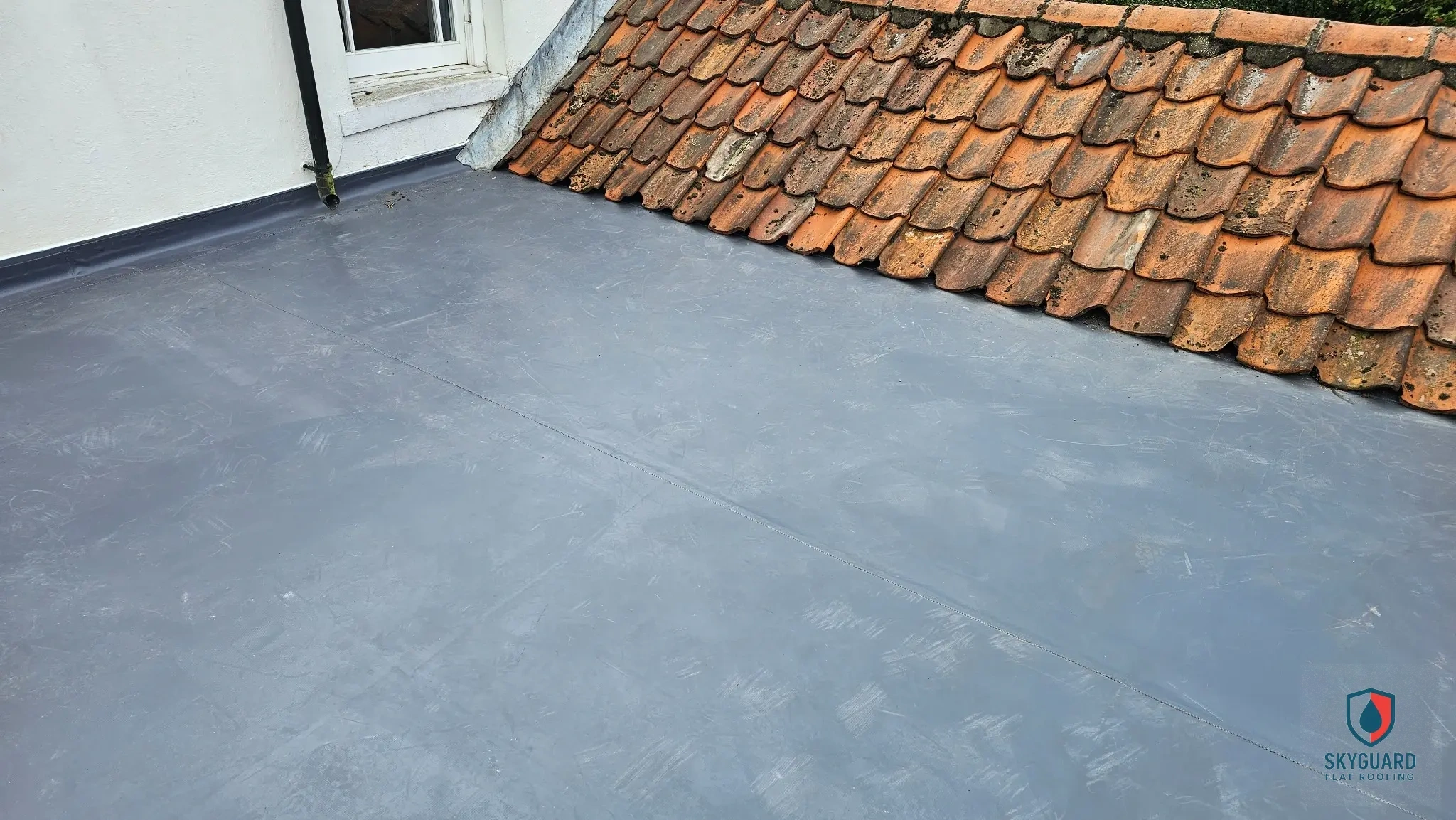
Flat roofing solutions are evolving—and in South Yorkshire, single ply systems are leading the change. With increasing exposure to heavy rainfall, fluctuating temperatures, and high humidity, traditional roofing materials like felt or asphalt often struggle to maintain performance. Single ply membranes, made from advanced polymers such as EPDM, TPO, and PVC, offer a modern alternative designed to withstand these regional challenges while delivering long-term reliability.
These lightweight, seamless roofing systems are gaining favour among property owners and contractors alike for their durability, energy efficiency, and ease of maintenance. Their monolithic construction—achieved through heat-welded or fully adhered seams—eliminates common leak points, making them especially effective on low-slope or flat roofs where water pooling is a concern.
In towns like Rotherham, Doncaster, and Sheffield, where aging infrastructure meets modern building demands, single ply roofing provides a smart upgrade path. Whether for commercial properties, industrial units, or converted residential buildings, this solution supports stronger weather resistance, improved insulation integration, and faster installation with minimal disruption.
In this guide, you’ll learn how single ply flat roofing works, which materials suit South Yorkshire’s climate best, and what to look for in a high-performance installation.
Top 5 Advantages of Single Ply Membranes Like EPDM, TPO, and PVC for Flat Roofs
When it comes to durable, high-performance flat roof systems in South Yorkshire, single ply membranes—specifically EPDM, TPO, and PVC—are setting the standard for modern construction. Designed to withstand harsh weather, support energy efficiency, and simplify maintenance, these roofing solutions are ideal for both commercial properties and residential conversions across towns like Rotherham, Doncaster, and Sheffield. Here are the top five benefits that make single ply roofing a smart long-term investment:
- Outstanding Resistance to South Yorkshire’s Harsh Climate
These membranes are built to endure prolonged exposure to rain, UV radiation, and extreme temperature swings. Unlike traditional felt roofs that degrade quickly, single ply systems remain flexible in winter and stable in summer, preventing cracks, splits, and seam failure—critical for properties exposed to the region’s frequent rainfall and thermal cycling. - Long Lifespan of 25+ Years with Proper Care
When professionally installed and maintained, single ply roofs offer exceptional longevity. Their resistance to weathering, punctures, and chemical exposure reduces the need for premature replacements—ideal for property managers seeking cost-effective, long-term roofing strategies across multiple sites. - Improved Energy Efficiency Through Reflective Surfaces
TPO and PVC membranes feature high solar reflectance, significantly reducing heat absorption. This keeps interior spaces cooler during warmer months, lowers HVAC demands, and supports compliance with updated building energy regulations—especially valuable for commercial buildings aiming to reduce operating costs. - Minimal Maintenance Requirements
Routine care is straightforward: biannual inspections, debris clearing, and checking seams or flashings for wear. Their seamless construction and resistance to algae or ponding water mean fewer repairs and easier troubleshooting, saving time and reducing lifecycle costs. - Watertight Performance with Heat-Welded Seams
Unlike older multi-layered systems, single ply membranes form a monolithic barrier using heat-welded (TPO/PVC) or fully adhered (EPDM) seams. This eliminates weak points at joints, drains, and upstands—common sources of leaks—delivering reliable protection even in high-exposure or low-drainage areas.
How These Roofing Systems Perform Under South Yorkshire’s Climate
South Yorkshire’s climate presents unique challenges for flat roofing—from persistent rain in Doncaster to sharp freeze-thaw cycles in Rotherham and strong winds sweeping across exposed rooftops in Sheffield. Modern single ply flat roofing systems are specifically engineered to meet these demands, offering superior resilience compared to traditional materials.
Rainfall is a primary concern, especially during autumn and winter months when prolonged downpours can lead to ponding. Single ply membranes like EPDM, TPO, and PVC feature seamless, heat-welded or fully adhered joints that create a watertight barrier, preventing leaks even in low-drainage areas. Their high puncture resistance ensures long-term integrity despite constant moisture exposure.
Wind uplift is another critical factor. In exposed industrial zones or elevated urban structures, roofing must withstand significant pressure. When installed using mechanical fixation or full adhesion methods, single ply systems resist detachment by maintaining secure anchoring along perimeters and seams.
Temperature fluctuations cause expansion and contraction in roofing materials. Unlike older bituminous systems that crack or blister, single ply membranes remain flexible in sub-zero conditions and stable in summer heat, reducing stress on seams and substrates. This thermal adaptability ensures lasting performance across South Yorkshire’s variable seasons.
For optimal results, always pair the membrane with proper insulation, correct roof fall, and professional detailing around edges and penetrations.
Step-by-Step Guide to Installing Modern Single Ply Flat Roofing Like a Pro
Installing a high-performance single ply flat roof requires precision, proper tools, and adherence to regional best practices—especially in areas like South Yorkshire, where heavy rain and temperature swings demand flawless execution. Follow this expert-backed sequence to ensure durability and weather resistance.
- Inspect and Prep the Roof Deck
Start by evaluating the structural condition of the deck for corrosion, rot, or deflection. Ensure the substrate—whether timber, concrete, or metal—has a minimum fall of 1:80 to promote drainage and prevent ponding, a common issue in Rotherham and Doncaster. - Install Insulation Correctly
Lay rigid thermal insulation boards tightly butted with staggered joints to eliminate thermal bridging. Choose mechanical fixing for high-wind zones or full adhesion for better thermal performance. Proper insulation boosts energy efficiency and meets modern building standards. - Prime the Surface if Needed
Apply a manufacturer-approved primer on concrete or plywood substrates when using fully adhered systems. This enhances bonding strength and prevents membrane delamination over time. - Unroll and Position the Membrane
Allow the EPDM, TPO, or PVC membrane to relax on the roof for several hours before installation. Unroll it perpendicular to insulation seams to minimise stress points, maintaining even tension to avoid wrinkles. - Seam and Secure with Precision
Use hot-air welding for TPO and PVC to create watertight, monolithic joints. For EPDM, apply manufacturer-approved tapes or adhesives. Secure edges with termination bars and fasten per wind uplift calculations. - Detail Flashings and Penetrations
Seal all upstands, drains, and rooftop units with compatible flashing accessories. This is where most leaks occur—invest time in perfect detailing. - Conduct Final Quality Checks
Perform a full visual inspection and, if possible, an electronic leak detection test to verify system integrity before handover.
Frequently Asked Questions About Durability, Maintenance, and Cost-Effectiveness
How durable are single ply flat roofs in harsh climates like South Yorkshire’s?
Single ply membranes such as EPDM, TPO, and PVC are specifically engineered to handle the UK’s challenging weather. Their resistance to UV degradation, thermal cycling, and moisture makes them ideal for regions with frequent rainfall and temperature swings. The seamless, fully adhered or heat-welded construction prevents leaks, while high tensile strength resists damage from wind uplift and debris.
What kind of maintenance do single ply roofs require?
Very little compared to traditional systems. A biannual inspection—recommended in spring and autumn—is typically sufficient. Focus on clearing gutters and drains, checking for standing water, and examining seams and flashings for wear. Early detection of minor issues prevents costly repairs and extends the roof’s service life.
Are single ply roofs cost-effective over time?
Yes. While the initial investment may be higher than standard felt systems, the long-term savings are significant. With lifespans exceeding 25 years, reduced energy costs (especially with reflective TPO/PVC), and minimal maintenance, single ply roofs deliver strong return on investment—particularly for commercial and industrial buildings in Rotherham, Sheffield, and Doncaster.
Can I patch a damaged section instead of full replacement?
In most cases, yes. Small punctures or seam failures can be repaired using manufacturer-approved tapes, liquid coatings, or patch kits. These fixes are quick, affordable, and effective when performed promptly, helping avoid larger structural issues.
What factors reduce the lifespan of a single ply roof?
Poor drainage leading to ponding water, inadequate insulation causing thermal bridging, and neglecting regular debris removal are common culprits. Ensuring proper fall gradients and professional detailing around penetrations greatly enhances longevity.
Do these roofs hold up under heavy foot traffic or rooftop equipment?
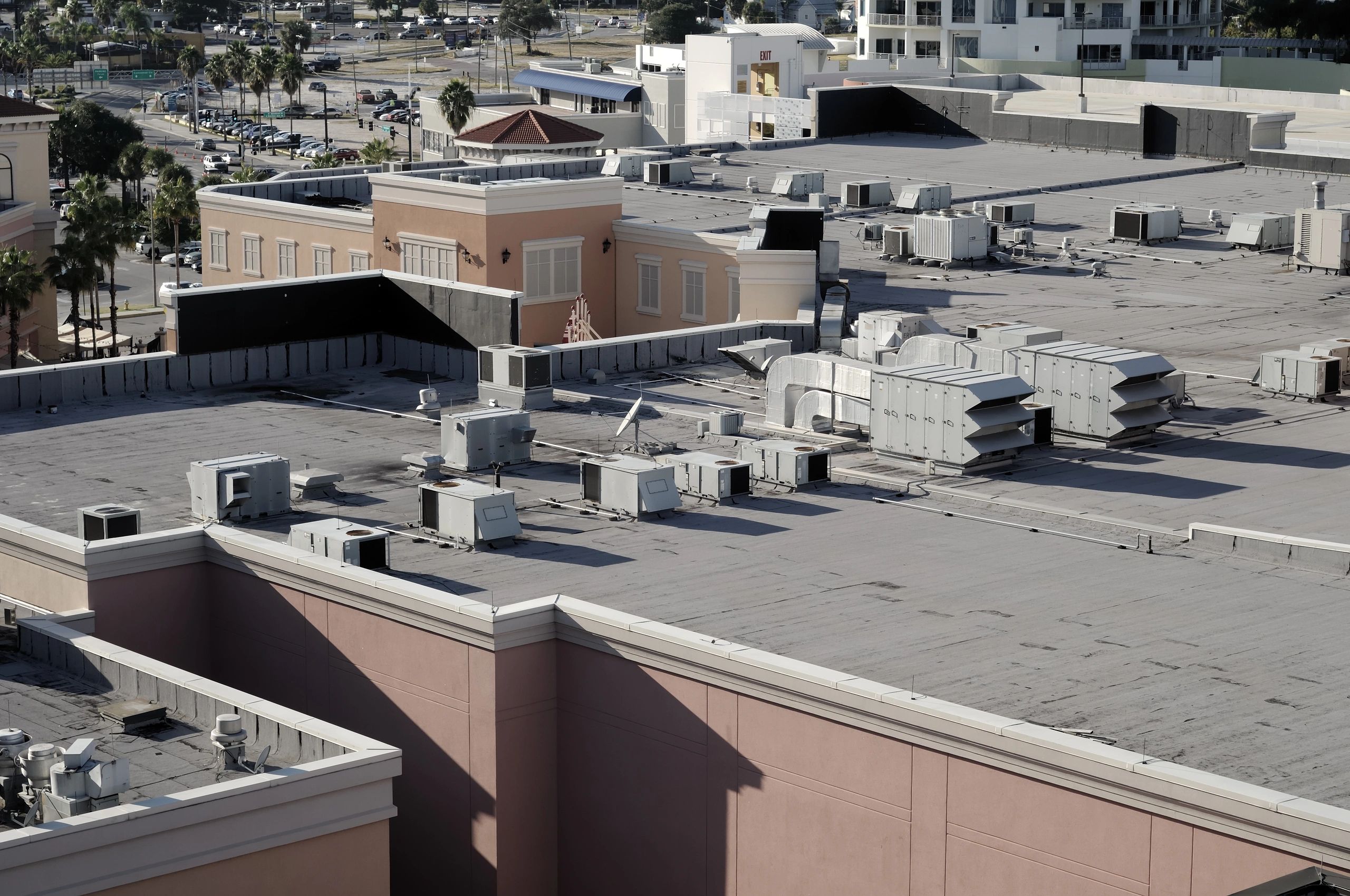
While not designed for constant foot traffic, single ply membranes can be reinforced with protective walkway pads or insulation layers in high-traffic zones. For rooftops with HVAC units or solar panels, proper support pads and service access planning prevent membrane damage.
Is professional installation really necessary?
Absolutely. Even high-performance materials fail if improperly installed. Certified applicators follow strict protocols for substrate prep, seam welding, and detailing—ensuring the system performs as designed, especially in weather-exposed areas across South Yorkshire.
Final Thoughts on Making the Right Choice for Long-Term Roof Performance
When it comes to flat roof systems in South Yorkshire, long-term performance hinges on more than just material selection—it’s about smart planning, professional execution, and ongoing care. As demonstrated throughout this guide, single ply membranes like EPDM, TPO, and PVC offer a modern solution tailored to the region’s damp climate, extreme temperature swings, and frequent storm activity. Their seamless construction, energy-efficient properties, and resistance to ponding water make them a top choice for commercial, industrial, and residential flat roofs in towns like Rotherham, Doncaster, and Sheffield.
To ensure your roofing investment delivers lasting value, focus on three core pillars: proper installation, preventive maintenance, and climate-responsive design. Begin with a thorough roof deck assessment and choose a system that aligns with your building’s exposure, insulation needs, and drainage layout. Work with qualified professionals who follow manufacturer standards, especially when sealing seams and flashing penetrations—common failure points in poorly executed jobs.
Take proactive steps to extend your roof’s life:
- Schedule biannual inspections, particularly after winter storms
- Clear debris from drains, gutters, and roof surfaces promptly
- Address minor punctures or seam lifting immediately using compatible repair methods
Your flat roof is a critical component of your building’s envelope—one that protects structural integrity and interior comfort for decades. By prioritising quality, weather resilience, and maintenance, you secure peace of mind and reduce future repair costs. Make the informed choice today to safeguard your property’s performance well into the future.
Need a flat roof estimate?
60 seconds, no callback chasing. Just an honest price range.
Get my price