Single Ply Flat Roofing South Yorkshire
Across South Yorkshire, flat roofs are no longer just a structural necessity—they’re a critical component in building performance, energy efficiency, and lon…
Why Single Ply Flat Roofing Is Essential for Modern Commercial Buildings
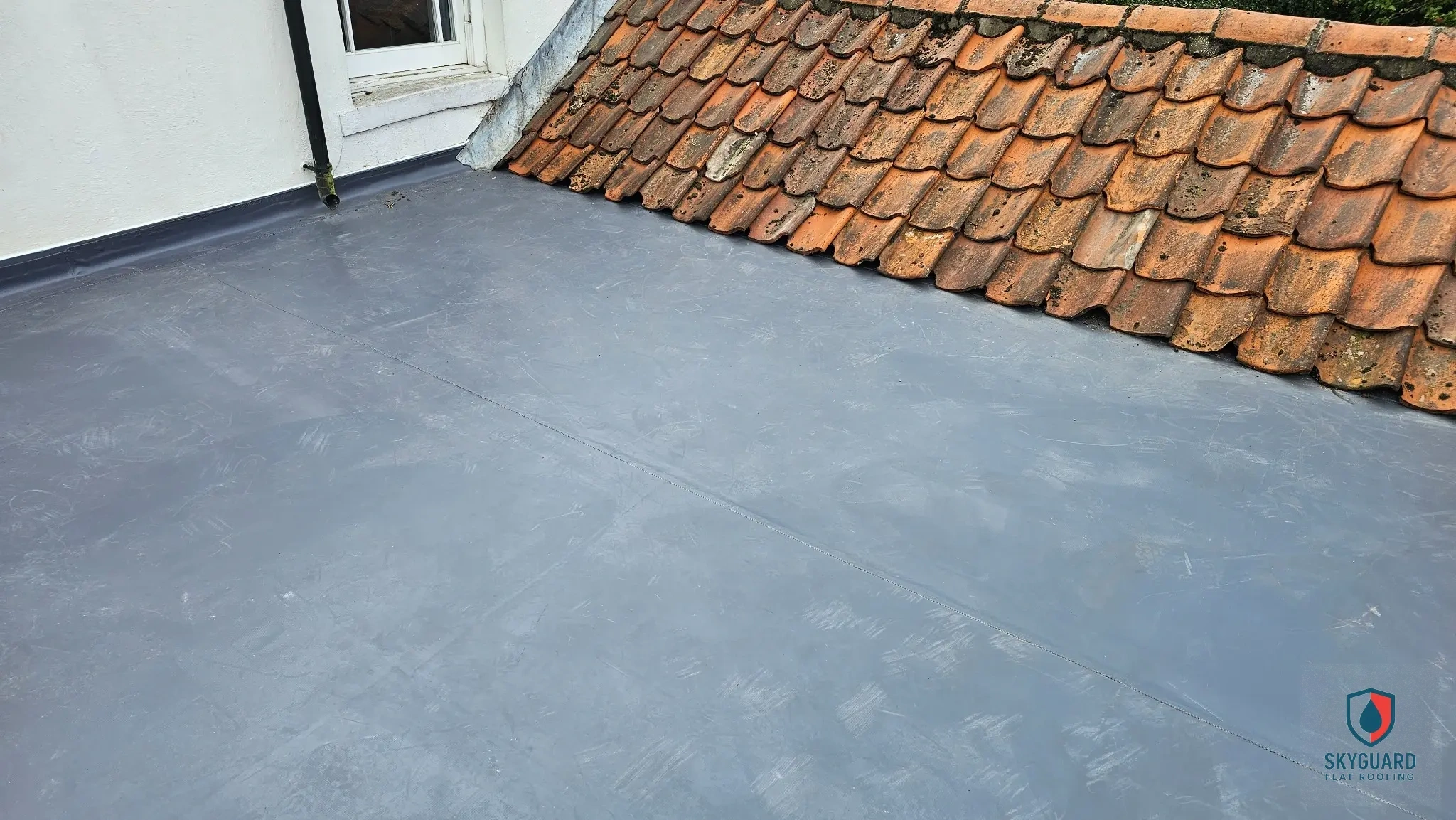
Across South Yorkshire, flat roofs are no longer just a structural necessity—they’re a critical component in building performance, energy efficiency, and long-term cost savings. With towns like Rotherham experiencing frequent rain, temperature swings, and high humidity, traditional roofing materials often fall short. That’s where single ply flat roofing steps in as a modern, durable solution engineered for resilience. These systems—made from high-performance membranes such as EPDM, TPO, and PVC—are designed to handle the region’s challenging climate while offering superior waterproofing, flexibility, and insulation integration.
Unlike older multi-ply or bitumen-based systems, single ply membranes form a seamless, monolithic barrier when heat-welded or fully adhered, significantly reducing the risk of leaks and ponding water. Their lightweight nature places less stress on building structures, making them ideal for both new builds and retrofits.
In this guide, you’ll discover:
- The key differences between EPDM, TPO, and PVC membranes
- How proper installation techniques prevent common failures
- Why thermal performance and wind uplift resistance matter in urban environments
- Maintenance best practices to extend roof lifespan
- Signs your flat roof may need repair or replacement
Understanding these core principles empowers property owners and facility managers to make informed decisions that protect assets and reduce lifecycle costs.
Choosing the Right Single Ply Material for South Yorkshire’s Climate
When it comes to single ply flat roofing in South Yorkshire, selecting the right membrane is critical for long-term performance in a region known for damp conditions, temperature fluctuations, and frequent rainfall. Three primary materials dominate the market—EPDM, TPO, and PVC—each offering unique benefits tailored to different building needs and environmental challenges.
EPDM (Ethylene Propylene Diene Monomer) is a synthetic rubber membrane prized for its flexibility and weather resistance. It performs exceptionally well in cold or variable temperatures, making it a strong contender for properties across Sheffield, Rotherham, and Doncaster. Its proven track record in resisting UV radiation and thermal cycling ensures durability, even on roofs with minimal maintenance.
TPO (Thermoplastic Polyolefin) is a modern, energy-efficient option featuring a reflective surface that reduces solar heat gain. This makes TPO ideal for commercial buildings where cooling costs are a concern. Its heat-welded seams create a watertight bond, providing reliable protection against South Yorkshire’s persistent rain and wind-driven moisture.
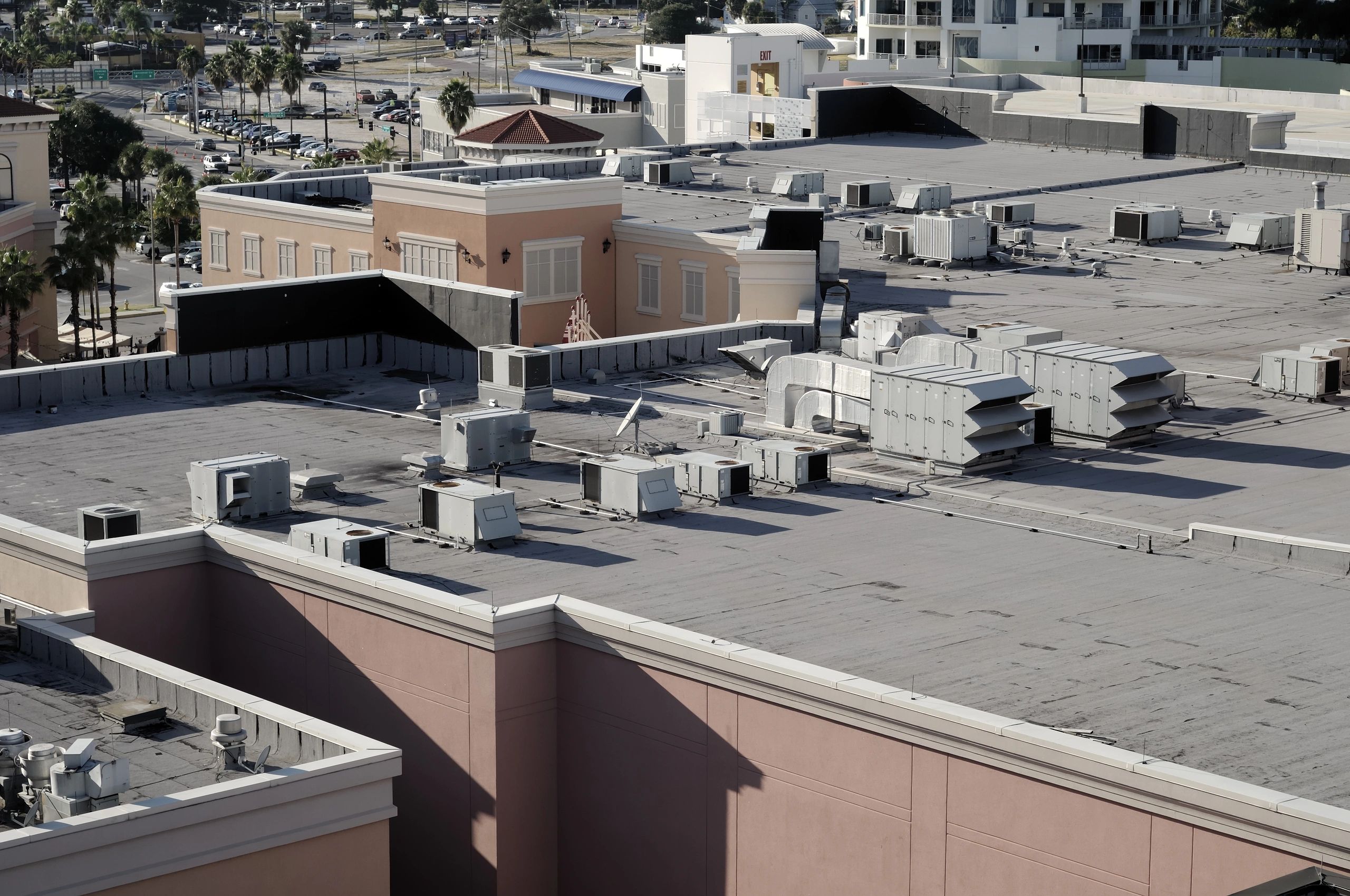
PVC (Polyvinyl Chloride) offers superior resistance to chemical exposure and punctures, making it well-suited for industrial facilities or buildings with rooftop mechanical units. With excellent seam integrity and long-term dimensional stability, PVC stands up to harsh conditions and is often chosen for high-traffic or complex roof designs.
Consider insulation requirements, building use, and exposure to sunlight when evaluating your single ply option. Each material brings distinct advantages—understanding your property’s demands ensures optimal performance and longevity.
7 Key Benefits of Single Ply Flat Roofing for South Yorkshire Properties
When it comes to modern flat roofing solutions, single ply systems have become the preferred choice across South Yorkshire—from Sheffield to Barnsley and Doncaster to Rotherham. Designed to meet the demands of the UK’s unpredictable climate, these high-performance membranes offer a blend of resilience, efficiency, and ease of maintenance that traditional roofing methods struggle to match. Here are seven compelling reasons property owners are choosing single ply flat roofing:
- Exceptional Durability in Wet, Variable Climates
Single ply membranes like EPDM, TPO, and PVC are engineered to withstand prolonged exposure to moisture, UV radiation, and thermal cycling—common challenges in South Yorkshire’s temperate maritime environment. Their ability to remain flexible in winter frost and resist expansion during summer heat cycles prevents cracking, splitting, and premature degradation. - Long-Lasting Performance with 25+ Year Lifespans
When correctly installed and maintained, single ply roofs routinely exceed 25 years of service. This extended lifespan reduces the frequency and cost of full replacements, making them a smart long-term investment for both residential conversions and commercial low-slope buildings. - Highly Cost-Effective Over Time
While the initial material cost may be higher than traditional felt, single ply systems save money over their lifecycle. Fewer repairs, minimal maintenance, and reduced risk of water damage translate into lower total ownership costs—especially important for property managers in urban areas. - Low Maintenance Requirements Year-Round
These systems only need biannual inspections and basic debris clearance. In cities like Sheffield, where autumn leaves and winter storms can block gutters, routine checks prevent ponding and prolong roof integrity without intensive labour. - Seamless, Watertight Protection
Heat-welded or fully adhered seams create a monolithic barrier that eliminates weak points common in multi-ply systems. This is particularly effective in preventing leaks around flat roofs with slight drainage dips—a frequent issue in older industrial buildings. - Energy-Efficient and Environmentally Sound
Reflective TPO and PVC membranes reduce solar heat gain, lowering cooling costs in summer. Combined with high-performance insulation, single ply systems support better thermal regulation and compliance with current building regulations. - Fast, Clean Installation with Minimal Disruption
Unlike traditional built-up roofs, single ply membranes install quickly with fewer layers and less waste. This streamlined process is ideal for occupied buildings and tight urban sites, reducing downtime and site clutter.
Mastering Single Ply Roof Installation: A Step-by-Step Guide for South Yorkshire Properties
Proper installation is the cornerstone of a long-lasting single ply flat roof, especially in South Yorkshire’s demanding climate of heavy rainfall, temperature swings, and strong winds. Follow this proven sequence used by skilled roofers to ensure durability, watertight performance, and compliance with local building standards.
- Inspect and Assess the Roof Deck
Begin with a full structural evaluation. Check for rot, sagging, or water-damaged decking common in older buildings across Sheffield and Doncaster. Confirm adequate drainage with a minimum 1:80 fall to prevent ponding—a frequent issue in flat roofs exposed to persistent rain. - Prepare the Substrate Thoroughly
Remove all debris, old felt, or compromised materials. Ensure the surface is completely dry and clean. Apply a manufacturer-recommended primer if specified, particularly when using fully adhered systems on concrete or plywood substrates. - Install Insulation Correctly
Lay rigid thermal insulation boards tightly butted together, staggering joints across rows to eliminate thermal bridging. Choose between mechanical fixation, adhesion, or loose-laying based on wind exposure—critical in exposed urban or industrial zones. - Roll Out the Membrane with Care
Allow the single ply sheet (EPDM, TPO, or PVC) to acclimate on-site for at least 30 minutes. Unroll it perpendicular to insulation seams, maintaining even tension to avoid wrinkles that could compromise seams. - Secure and Seam with Precision
Fix the membrane using mechanical fasteners, adhesive, or ballast as per design. For TPO and PVC, heat-weld seams at optimal temperatures to form a seamless, watertight bond. Use compatible adhesives or tapes for EPDM systems. - Detail Flashings and Penetrations
Apply manufacturer-approved termination bars at perimeters and flash upstands, drains, and vents using compatible accessories. This step is vital in preventing leaks—common failure points in many poorly installed roofs. - Conduct Final Quality Checks
Perform a full visual inspection, then consider electronic leak detection to verify integrity before handover. A properly installed single ply roof should offer decades of reliable protection with minimal upkeep.
FAQs: Your Top Questions About Single Ply Flat Roofing in South Yorkshire
Homeowners and commercial property managers across South Yorkshire often seek clarity on the performance, durability, and upkeep of single ply flat roofing systems. Given the region’s damp climate and variable weather patterns—from persistent rainfall in Doncaster to winter frost in Barnsley—understanding how these roofs stand up over time is critical. Below are the most common questions and practical insights to help you make informed decisions.
How long does a single ply flat roof last in South Yorkshire’s climate?
With proper installation and routine care, most single ply membranes (EPDM, TPO, or PVC) last between 20 and 30 years. Lifespan is influenced by material quality, UV exposure, thermal movement, and how well drainage is maintained—especially important in areas prone to water pooling after heavy rain.
Are single ply roofs resistant to local weather extremes?
Yes. These systems are designed to handle the UK’s challenging climate. They resist wind uplift (a concern during storms in Rotherham), thermal expansion in summer heat, and contraction in winter cold. Seams are heat-welded or sealed to prevent water ingress, offering long-term protection.
What maintenance does a single ply roof require?
Minimal but consistent care is key. Inspect twice yearly—especially after autumn and winter storms—to check for debris buildup, punctures, or seam separation. Clear gutters and drains to prevent water stagnation, which can weaken the membrane over time.
Can minor damage be repaired instead of replaced?
Absolutely. Small punctures, tears, or seam lifts can be repaired with compatible patch kits or liquid-applied sealants. Early intervention prevents leaks and avoids costly full replacements.
When should you consider a full roof replacement?
Look for advanced wear like widespread blistering, membrane shrinkage, or recurring leaks despite repairs. These signs suggest the roof has reached its service limit and needs professional assessment.
Does the local environment affect roof performance?
Yes. Urban areas like Sheffield may expose roofs to more pollutants, while rural locations face higher organic debris from trees. Proper detailing around penetrations and upstands helps mitigate these regional factors.
Is professional inspection necessary after severe weather?
Highly recommended. Wind, hail, or prolonged rain can compromise subtle areas of the system. A trained assessment ensures hidden damage doesn’t escalate.
Making the Right Choice for Long-Term Flat Roof Performance in South Yorkshire
Selecting the right materials and contractor for a single ply flat roofing project in Rotherham and surrounding areas comes down to informed decision-making grounded in local conditions and industry best practices. As explored throughout this guide, the climate of South Yorkshire—characterised by heavy rainfall, temperature swings, and high winds—demands durable, well-installed roofing systems that can withstand long-term environmental stress. Understanding the differences between EPDM, TPO, and PVC membranes allows property owners to match material performance to building use, insulation needs, and exposure.
Just as important is choosing a qualified contractor with proven experience in single ply installations. Look for professionals who follow manufacturer specifications, prioritise proper detailing at edges and penetrations, and offer clear documentation of work completed. Verify credentials, request local references, and ensure they provide guarantees on both materials and workmanship.
To move forward wisely:
- Schedule a site-specific assessment to evaluate existing roof conditions
- Request detailed proposals comparing material options and installation methods
- Prioritise contractors who conduct post-installation testing, such as seam inspections or leak detection
The true value of a flat roof lies not in the initial cost, but in decades of reliable performance. By investing time upfront in education and contractor selection, property owners protect their buildings, improve energy efficiency, and reduce long-term maintenance burdens. Take action with confidence—your roof is one of the most critical components of your building’s integrity.
Need a flat roof estimate?
60 seconds, no callback chasing. Just an honest price range.
Get my price