Single Ply Flat Roofing: A Complete Guide
Commercial and industrial buildings across South Yorkshire and the UK increasingly rely on single ply flat roofing for its durability, energy efficiency, and…
Why Single Ply Flat Roofing Is Essential for Modern Commercial Buildings
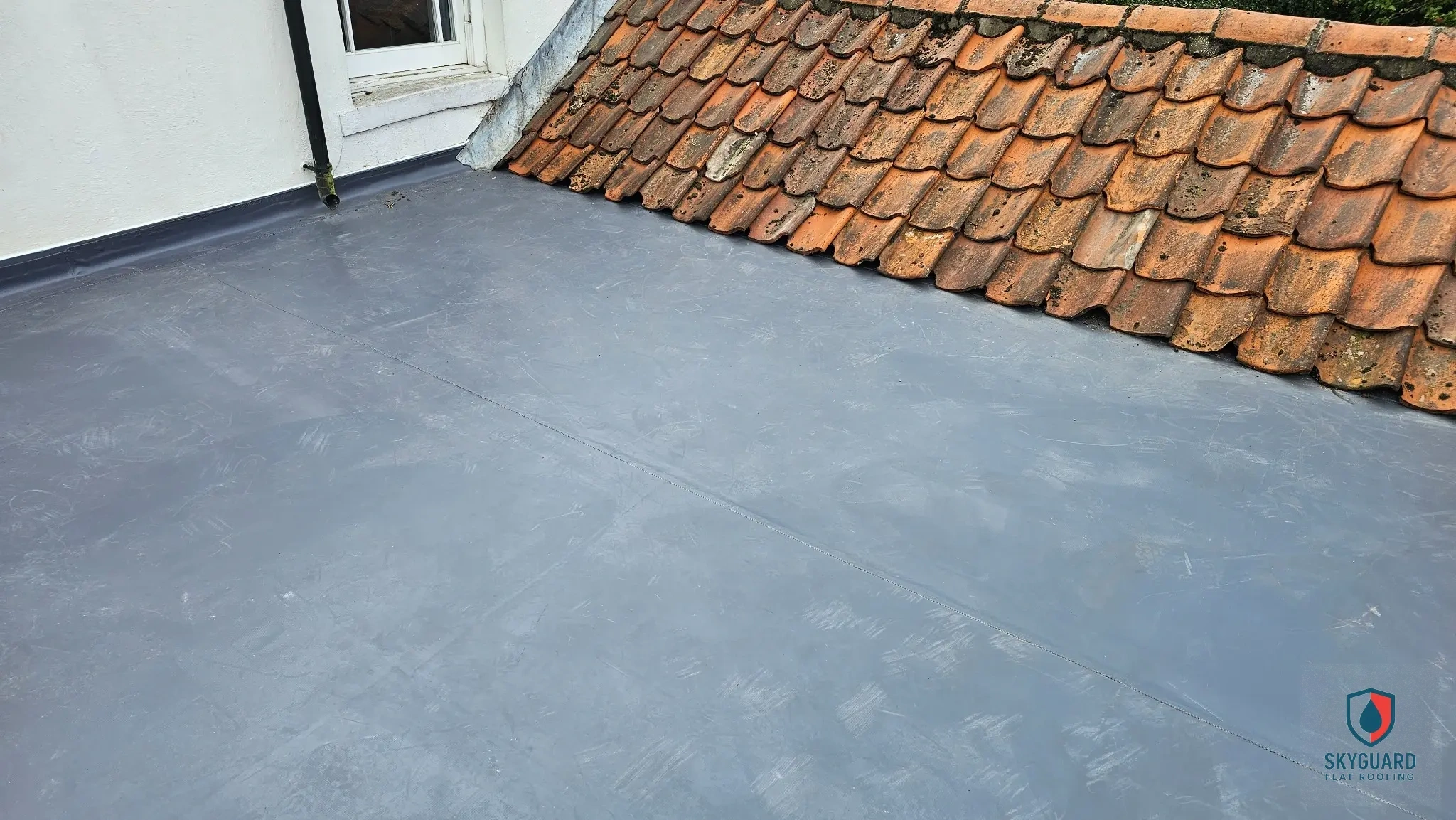
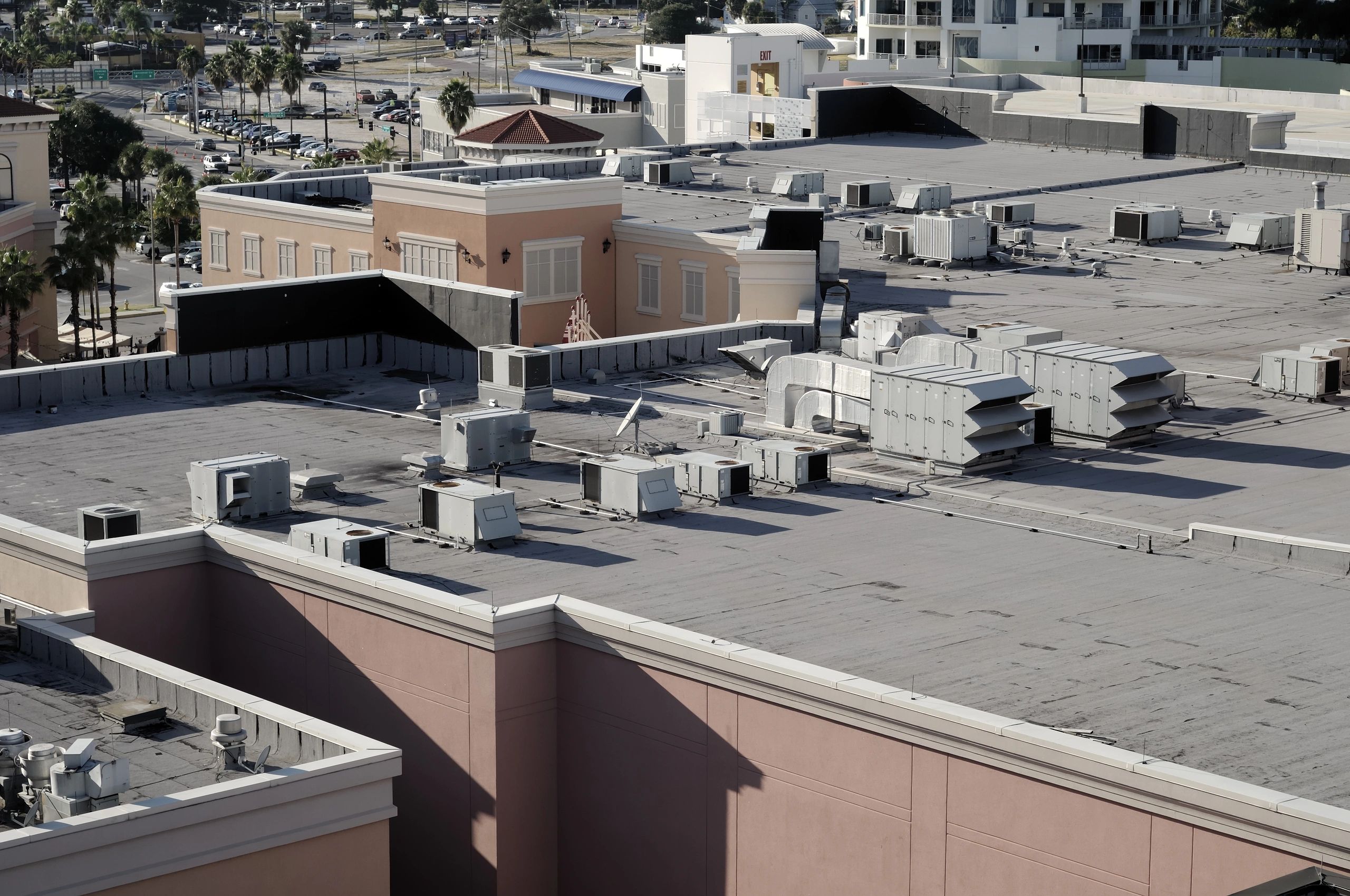
Commercial and industrial buildings across South Yorkshire and the UK increasingly rely on single ply flat roofing for its durability, energy efficiency, and cost-effective installation. As modern construction prioritizes sustainability and long-term performance, single ply membranes like TPO, PVC, and EPDM have become the go-to choice for flat or low-slope roofing systems. These synthetic rubber and thermoplastic materials offer superior resistance to UV degradation, thermal cycling, and extreme weather—critical factors in the UK’s variable climate.
With rising energy costs and stricter building regulations, facility managers and property developers are turning to single ply solutions that support improved insulation and reduce heating or cooling loads. Unlike traditional felt roofs, single ply systems are lightweight, seamless when welded, and require minimal maintenance over decades of service.
In this guide, you’ll learn:
- The core types of single ply membranes and how they compare
- Installation best practices that prevent leaks and extend roof life
- How proper detailing around penetrations and edges avoids common failure points
- Maintenance strategies tailored to urban environments like Sheffield and Doncaster
- Signs your existing flat roof may need repair or full replacement
Understanding these fundamentals helps protect your investment, enhance energy efficiency, and avoid costly structural issues down the line.
Understanding Your Single Ply Membrane Options
When selecting a single ply roofing membrane, three primary materials dominate the market: TPO, EPDM, and PVC—each offering distinct advantages depending on climate, building use, and budget. TPO (Thermoplastic Polyolefin) is a popular choice across South Yorkshire due to its reflective surface, which helps reduce cooling costs in commercial buildings during warmer months. It’s also resistant to UV rays and offers strong seam strength when heat-welded, making it ideal for flat roofs exposed to variable weather.
EPDM (Ethylene Propylene Diene Monomer), often referred to as synthetic rubber, is valued for its durability and flexibility. Especially beneficial in areas with extreme temperature shifts, EPDM remains pliable in cold climates and resists cracking over time. Its ease of installation—whether fully adhered, mechanically fastened, or ballasted—makes it a versatile solution for both residential and light commercial applications.
PVC (Polyvinyl Chloride) stands out for its superior chemical resistance and long-term performance, particularly in industrial environments or buildings with rooftop equipment that may leak oils or fluids. With heat-welded seams creating a watertight bond, PVC membranes offer one of the most reliable waterproofing solutions available.
Choosing the right material depends on building specifications, local weather patterns, and maintenance expectations. Consulting a qualified roofing professional can help match your property’s needs with the most suitable membrane type.
7 Key Benefits of Choosing Single Ply Flat Roofing Systems
Single ply flat roofing has become a go-to choice for property owners across South Yorkshire and beyond—offering a blend of performance, cost-efficiency, and durability that’s hard to beat. If you’re considering an upgrade or new installation, here are seven compelling benefits that make single ply systems a smart investment.
- Exceptional Durability in Harsh Climates
Single ply membranes—such as TPO and EPDM—are engineered to withstand extreme weather, including heavy rain, UV exposure, and temperature swings common in regions like South Yorkshire. Their resilience reduces the risk of cracks, splits, and leaks over time. - Energy Efficiency and Solar Reflectivity
Many single ply options come with high solar reflectance, reducing heat absorption and lowering cooling costs—especially beneficial for commercial buildings in urban areas with heat retention concerns. - Lightweight Protection
These systems add minimal load to the existing roof structure, making them ideal for retrofits or older buildings where structural reinforcement isn’t feasible. - Seamless, Watertight Performance
When properly installed, single ply membranes create a continuous, monolithic barrier that minimizes the risk of water ingress—critical for flat roofs where ponding water is a common issue. - Ease of Maintenance and Repairs
Inspections and minor fixes are straightforward. Punctures or seams can often be sealed with compatible adhesives, reducing downtime and long-term repair costs. - Eco-Friendly & Recyclable Options
Several single ply materials are recyclable at end-of-life, and some contain recycled content, supporting sustainable building practices in both residential and commercial sectors. - Fast, Clean Installation Process
Compared to traditional built-up roofs, single ply systems install faster—with fewer materials, less debris, and reduced disruption. This means lower labour costs and quicker project turnaround for property owners in busy urban or suburban areas.
Mastering Single Ply Flat Roofing: A Step-by-Step Installation Guide
Installing a single ply flat roofing system requires precision, planning, and adherence to industry best practices to ensure long-term performance and durability—especially in variable South Yorkshire weather conditions. Follow this proven sequence for reliable results.
- Prepare the Roof Deck
Ensure the structural deck is clean, dry, and free of debris. Repair any damage to the substrate, and confirm it’s properly sloped for drainage (minimum 1:80 fall). Use primers when specified by the membrane manufacturer to enhance adhesion. - Install Insulation (if required)
Lay rigid thermal insulation boards tightly together, staggering joints. For improved energy efficiency, consider thermally broken fasteners in colder microclimates across northern England. - Roll and Secure the Membrane
Unroll the single ply membrane—typically EPDM, TPO, or PVC—allowing it to acclimate for at least 30 minutes. Mechanically fasten or fully adhere the sheet per design specifications, maintaining even tension to prevent wrinkles. - Seal Seams and Penetrations
Use manufacturer-approved sealants, tapes, or heat welding (especially for TPO/PVC) on all seams. Flash around vents, pipes, and edges with compatible accessories to create a watertight barrier. - Final Inspection and Testing
Conduct a thorough visual check for gaps, blisters, or misaligned fasteners. Perform water testing or electronic field vector mapping where applicable to confirm leak-free performance.
Pro Tip: Always document each step with time-stamped photos for warranty compliance and future maintenance reference.
Frequently Asked Questions About Single Ply Flat Roofing
Homeowners and property managers across South Yorkshire often have pressing questions about single ply flat roofing systems—especially when weighing long-term value, performance, and upkeep. Understanding these aspects helps make informed decisions that align with regional weather conditions and building requirements.
Is single ply roofing durable enough for the UK climate?
Absolutely. Modern single ply membranes like EPDM and TPO are engineered to withstand temperature fluctuations, UV exposure, and heavy rainfall—common challenges in South Yorkshire. When properly installed, these roofs resist cracking, shrinking, and ponding water, delivering 20–30 years of reliable protection.
How does the cost compare to traditional roofing?
While initial material costs may be slightly higher than felt roofing, single ply systems offer better long-term value. Lower maintenance needs, fewer repairs, and energy-efficient properties reduce lifetime expenses significantly.
What kind of maintenance do single ply roofs require?
Minimal but essential. Biannual inspections and clearing debris from drains and gutters help prevent water buildup. Look for punctures or loose seams, especially after storms common in the Rotherham or Doncaster areas.
Can a single ply roof be repaired if damaged?
Yes—most issues like punctures or seam failures can be repaired using manufacturer-approved tapes or liquid sealants without replacing the entire membrane.
Do these roofs perform well in extreme weather?
They’re built for it. High wind uplift resistance and seamless installation reduce vulnerability during seasonal storms across Oxford to South Yorkshire.
Are single ply roofs environmentally friendly?
Many options are recyclable, reflect solar heat (reducing cooling loads), and can integrate with green roofing systems—supporting sustainable building practices.
Why Single Ply Roofing Is a Long-Term Win Worth Making
When evaluating flat roofing options, single ply stands out not just for its immediate performance but for its lasting value over time. With superior resistance to UV degradation, thermal movement, and moisture infiltration, single ply membranes like TPO and PVC deliver decades of reliable protection—especially in variable UK climates from Oxford to South Yorkshire. Their lightweight design reduces structural stress, while seamless installation methods minimize weak points where leaks typically occur.
Choosing single ply means investing in energy efficiency, too. Reflective surface options reduce solar heat absorption, lowering cooling costs in commercial and industrial properties during warmer months. Maintenance is straightforward: periodic inspections and simple cleaning keep the system performing optimally with minimal disruption.
For property owners managing flat or low-slope roofs, the advantages are clear:
- Lower lifetime costs due to durability and reduced repair frequency
- Enhanced weather resilience in urban and industrial environments
- Compliance with environmental and insulation standards
If you’re planning a roof replacement or new build, evaluating single ply should be a priority. Explore installation options, compare material types, and consult qualified local contractors who understand regional weather challenges and building codes. Making the informed choice today can protect your property—and your budget—for years to come.
Need a flat roof estimate?
60 seconds, no callback chasing. Just an honest price range.
Get my price